What kit do you need to keep warm and safe when cold water swimming? We test the essentials
Swimming kit for colder waters isn't just for winter. Adding neoprene accessories can help you swim in different locations and for longer. Here are the key bits of gear you'll need and why...


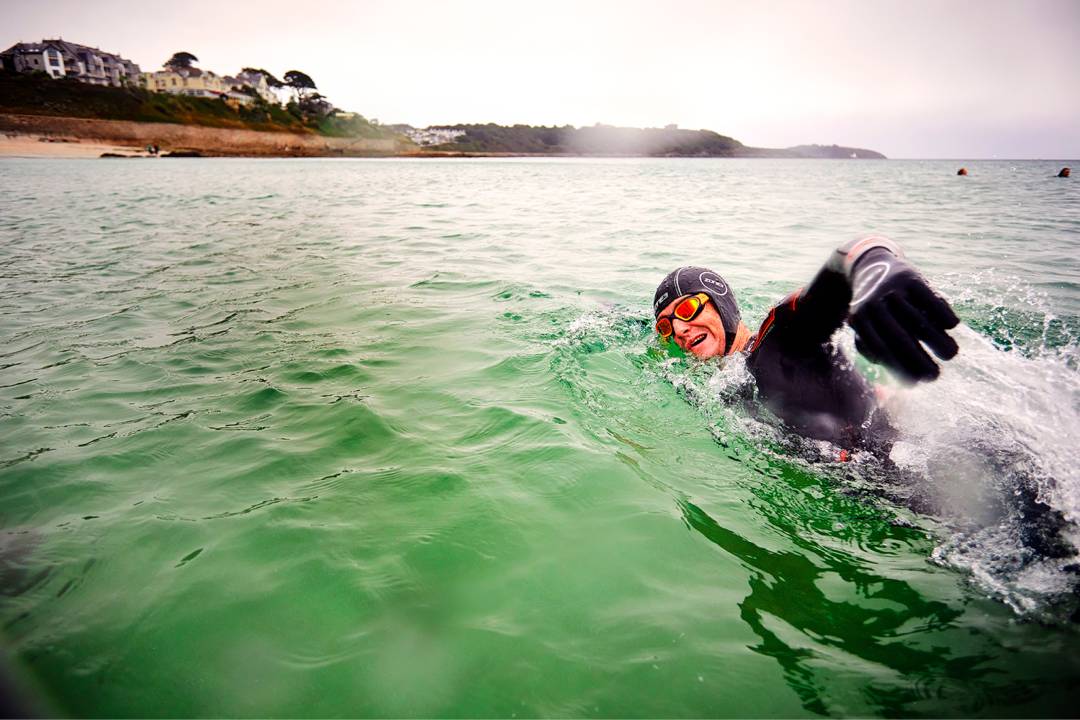
Unless you’re planning on swimming the Channel under traditional rules – which which only allows a simple swimsuit for protection – then there’s no reason not to layer up come the colder months. Along with a swim changing robe to warm you up post-swim, we’ve gathered our favourite bits of cold water swim gear to keep you safe.
Thankfully, there’s now a huge range of accessories to keep you swimming outdoors once temperatures start to drop, from thermal wetsuits to base layers and balaclavas. In this round-up, we tapped into the expert knowledge of swim coach and 220‘s editor, Helen Webster, to share all you need to keep toasty and safe during your cold water swimming jaunts, including the best thermal wetsuits, base layers, gloves, hats and extra layers.
Why you can trust 220 Triathlon
Our team of experts rigorously tests each product and provides honest, unbiased reviews to help you make informed decisions. For more details, see how we rate and test products.
Best cold water swim gear at a glance
The Orca Zeal Thermal Wetsuit (buy) is a warm and flexible swimming wetsuit, with an extra thermal layer for protection from the cold.
The Orca Hydro Booties (buy) are secure and comfortable split-toe design neoprene booties that provide excellent warmth and fit.
The Zone3 Neoprene Heat-Tech Swimming Gloves (buy) are superbly warm neoprene gloves with high-quality construction and a great fit.
The HUUB Varme Thermal Balaclava (buy) is super warm and comfortable thermal swim balaclava that provides excellent coverage for both the head and neck.
The Dryrobe Advance Long Sleeve Remix (buy) is spacious for changing, keeps you warm, and is made with eco-materials. You just can’t go wrong.
The Orca Wetsuit Base Layer Neoprene T-Shirt (buy) offers great flexibility in the water and is easy to pull on and go. Comfy and warm, the top is a great choice for added warmth.
Best cold water swimming gear in 2026
Best thermal wetsuit

1. Orca Zeal Thermal
220 Triathlon verdict
The Orca Openwater RS1 Thermal is a warm and flexible suit with an innovative extra layer to avoid chilly water ingress. Score: 90%
Pros
- Warm and soft thermal lining
- Flexible and easy to swim in
Cons
- Not cheap to buy
| Specifications | Orca Zeal Thermal |
|---|---|
| Buoyancy | 5mm at core |
| Features | Yamamoto 40, X-thermal lining, noeprene hydrolite batwing layer, Infinity Skin 2 lining |
| Sizes | Men's: 4-11 | Women's: XS-XL (Orca sizing) |
One of the most important bits of kit for cold water swimming is a good thermal wetsuit. Kitted out in an insulated suit, you’ll be able to safely stay in cold water for much longer and even enjoy your swim. The Orca Zeal is a development of the RS1 here tested. That’s thanks to an inner ‘batwing’ layer of neoprene inside the suit that sits across the back and pulls over your head to add extra protection against trickles through the zip and provide a snug fit to stop water ingress down the neck. Overall, this suit became a fast favourite in testing, too. Warmth is provided by a soft-touch ‘X-thermal’ lining, which, though warm, didn’t feel restrictive and was easy to pull on.
Best neoprene swim gloves

2. Zone3 Neoprene Heat-Tech Swimming Gloves
220 Triathlon verdict
The warmest on test and superb construction and fit. Score: 90%
Pros
- Very warm
- Hands stay dry!
Cons
- Difficult to remove
| Specifications | Zone3 Heat-Tech Swim Gloves |
|---|---|
| Features | 3.5mm thickness; Velcro fastening; hand grip |
| Sizes | XS-L |
In waters below 15°C (59°F), the body protects its core by diverting blood away from the limbs. This leaves arms and legs colder, with fingers suffering most due to their high surface area and exposure. Constantly entering and exiting the water during front crawl also adds wind chill, making hands especially vulnerable. That’s why many swimmers, even those skipping wetsuits, choose to add some thermal neoprene gloves to their kit list. See our full list of the best cold water swimming gloves to pick the best option for you.
Zone3 aren’t messing around with their Heat-Tech range, and in last year’s test we said these gloves were our new gold standard for cold swims. The 3.5mm neoprene with titanium lining makes them very warm and, with a liquid seal finish, I got a really snug yet flexible fit with no water ingress. My only note is that, like the brand’s swimming socks (see below), they’re very tricky to get off, so if you aren’t comfortable asking for help or have any issues with mobility in your hands, these may not be for you.
Best neoprene swim socks

3. Orca Hydro Booties
220 Triathlon verdict
Like the gloves these are warm and comfortable with easy-to-use design features. Score : 88%
Pros
- Both warm and comfy
- Good features
Cons
- Not seam-sealed
| Specifications | Orca Hydro Booties |
|---|---|
| Features | Thermal X thermal lining, split toe |
| Size | 2XS-4XL |
| Neoprene | 3mm thickness |
Like neoprene gloves, insulating your toes as just as important to avoid too much heat loss through the extremities when submerged in cold water. Neoprene socks and booties should also afford you more grip and prolong the time you can spend in cold water before your toes start to go numb. Check out our full list of the best neoprene socks for swimming for more options.
Orca’s booties have a split-toe construction which keeps the foot secure and prevents any twisting inside the neoprene. Unlike some alternatives, there are no bulky seams or Velcro straps—just a flared upper cuff that tucks neatly under wetsuit legs without fuss. Of all the neoprene socks I’ve tested, these felt the softest and most comfortable, thanks in part to the thermal lining used throughout Orca’s cold-water range.
They’re wonderfully warm, quick to pull on and off, and score highly for overall comfort. The trade-off is that they aren’t seam-sealed, so they can’t quite match the waterproofing and insulation of Zone3’s boots above. Even so, they’re an excellent pick for swimmers who dislike wrestling with stiffer neoprene models. The wide size range also makes it easier to find a precise fit.
Best swim cap

4. Zone3 Active-Flex Swim Cap
220 Triathlon Verdict
Snug and insulated neoprene cap with an effective chin strap. Score 90%
Pros
- Secure fit
- Very warm
- Good value
Cons
- Lacks visiblity
| Specifications | Zone3 Active-Flex Swim Cap |
|---|---|
| Features | Hook-and-loop chin fastening, glued and blind-stitched seams |
| Size | S/M, L/XL |
| Neoprene | 3mm thickness |
Swimming hats do a great job of helping you avoid losing excess heat from the head. In particular, they protect heat loss from the forehead. A minimum thickness of 3mm is recommended to keep you toasty and avoid too much heat loss from the head. Water conducts heat away from the body about 25 times faster than air at the same temperature, so your core temperature drops rapidly when swimming in cold water. Which is why a neoprene cap or balaclava is such an essential piece of kit. See our full list of the best cold water swimming hats for more.
Once the water hits 12 degrees I never head out without a neoprene cap. Since we lose so much heat through our heads while swimming front crawl, this Zone3 cap is a lifesaver. I prefer the chin-strap style because it doesn’t budge and keeps my ears covered and warm. It’s surprisingly soft and comes in two sizes (the S/M fits me perfectly). The 3mm material and bonded seams do a great job of blocking the chill. I usually pop a bright silicone cap on top to stay visible, but even on its own, this cap feels secure and is a bargain for the quality
Best swim balaclava

5. HUUB Varme Thermal Balaclava
220 Triathlon verdict
Once you get over the look, this is great for cold swims. Score: 90%
Pros
- Warmth
- Comfortable to wear
Cons
- Balaclava style might not suit everyone
- Lack of visiblity
| Specifications | HUUB Varme Thermal Balaclava |
|---|---|
| Features | One piece, full-head coverage |
| Size | S, M, L |
| Neoprene | Thickness not specified |
Yes, your swim buddies will laugh – that is until you have a much toastier swim than they do. The genius of the Huub thermal balaclava is that not only does it tuck under your wetsuit to stop icy trickles down your neck, but it also covers up the sensitive blood vessels and arteries in your neck that are extremely sensitive to the cold. We added a brightly-coloured swim hat on top for visibility and found once we got used to it, the balaclava worked superbly. It does make your head a little more buoyant though, so keep an eye on your overall position in the water.
Best swim changing robe

6. Zone3 Recycled Thermo-Tech Changing Robe
220 Triathlon Verdict
Warm, weather-proof, and has some nice features. Score: 88%
Pros
- Recycled materials
- Warm sherpa fleece lining
- Functional and shower-proof
Cons
- Not the snazziest, but gets the job done
| Specifications | Zone3 Recycled Thermo-Tech Changing Robe |
|---|---|
| Features | Waterproof chell, recycled materials, sherpa lining, adjustable hood and sleeve |
| Size | S – XL |
| Pockets | 5, two zipped |
The Thermo Tech has been a favourite for some time, and while its design and price remain steady, its sustainability credentials make it stand out. Made entirely from recycled fabric, it not only repels wind and rain but also allows breathability, ideal for warming up after a swim on dreary, wet days.
The robe’s understated colour palette adds to its appeal for those who prefer subtle kit. Thoughtful features include Velcro-adjustable cuffs, secure zippered pockets for valuables, and flexible side panels that make changing inside much easier. Available in unisex sizes from S to XL (this test was a medium), it’s a reliable, eco-conscious choice for triathletes who want both performance and planet-friendly design.
Best swim base layer

7. Orca Wetsuit Base Layer Neoprene T-Shirt
220 Triathlon verdict
Comfy and warm, and good for use on its own. Score: 85%
Pros
- Flexible and comfortable
- Easy to remove
Cons
- A thicker vest might be needed for winter swims
| Specifications | Orca Wetsuit Base Layer Neoprene T-Shirt |
|---|---|
| Features | Long sleeved, nylon inner lining |
| Size | Men's: XS – 2XL | Women's: XS/8-XL/16 |
| Neoprene thickness | 1.3 mm |
If you don’t fancy forking out for a new wetsuit for cold water swims, instead consider adding a thermal base layer for a touch more insulation. You can view our full list of the best base layers for cold water swimming for more, but in the meantime, here’s my favourite option as a swim coach. By far our favourite swimming base layer, tester Matt reviewed the Orca Wetsuit T-Shirt and commented on its incredible versatility. He’s used it both beneath wetsuits and on its own with shorts or jammers for warmer open-water sessions.
Constructed with 0.5mm underarm panels and premium Yamamoto 39-cell SCS-coated neoprene, it’s exceptionally flexible, comfortable, and soft against the skin. The jersey lining adds warmth, while the extended length and secure waist gripper help keep water out. For very cold swims, a thicker, tighter option like the Zone3 Neoprene Warmth Vest would offer more insulation, but the Orca baselayer wins on versatility and is far easier to put on and remove.
Best tow float

8. Restube Tow Float
220 Triathlon verdict
Clever tow float for emergency use, if a little pricey. Score: 85%
Pros
- Unobtrusive to use
- Quick to inflate
Cons
- Not cheap to buy
- You don’t get constant visibility
| Specifications | Restube Tow Float |
|---|---|
| Features | Attachment system, integrated whistle, approved by World Triathlon and USA Triathlon, small pocket, CO2 cartridge release mechanism |
| Size | One size |
| Buoyancy | 75 N buoyancy |
You can see our list of the best tow floats for a more comprehensive list of options to help keep you safe in the water, but here’s one you might want to consider. Working on a 16g C02 cartridge, the Restube works by inflating a long inner yellow tube after you pull the ‘trigger’. Working in mere seconds (handily!) it gives you a buoyancy aid to hold on to, pass to a friend in trouble or wave to attract attention.
Although you don’t get the constant visibility a traditional tow float offers, we liked how unobtrusive this was and, especially in winter, we can sometimes find that in windy or choppy water a tow float that floats behind you can bob around too much and impede your swim. Which type you choose is down to your personal preference, but if you want an inflate-if-you-need-to option, then this is recommended. A whistle adds an extra safety feature in an emergency.
Best changing bucket

10. Passenger Tide Recycled Changing Bucket
220 Triathlon Verdict
Massive capacity and practical design in a portable package. Score: 90%
Pros
- Light and waterproof
- Eco construction
- Doubles as a bag and changing mat
- Huge capacity
Cons
- Nothing major
| Specifications | Restube Tow Float |
|---|---|
| Features | Waterproof 10k, removable EVA foam pad, adjustable handle, drawcord closure |
| Size | 50L capacity |
The Passenger Tide Recycled Changing Bucket is a nifty 50L bag is a game-changer for managing soggy winter swim gear. It serves a dual purpose: you can stand inside it to change, keeping your wet kit contained and drip-free, or use it to keep your dry clothes protected while you’re in the water.
The adjustable orange straps make it comfortable to shoulder-carry, and the drawstring top keeps everything secure. A standout feature is the removable padded base, which provides a warm, cushioned surface for your feet on cold pavement. It’s also a great sustainable choice, made from recycled, PFC-free fabrics.
Frequently Asked Questions about cold water swimming
First up, what do we mean by ‘cold’ water swimming? Well, the RLSS and RNLI tend to categorise water under 15°C as ‘cold’ and under 10°C as ‘very cold’. Brave waters under 5°C and you’ll be entering the world of ‘ice swimming’ which has its own special set of rules and regulations (and is, frankly, extremely difficult!). By means of understanding how these temperatures might affect us, bear in mind the average indoor pool is heated to around 29°C and our core body temperature is 37°C. With that in mind, 15°C will feel quite fresh! Read on to learn how to acclimatise to cold water swimming throughout winter.
As always, safety is a key consideration when it comes to open-water swimming, especially in the winter where visibility and staying warm are crucial. So take someone with you, don’t overdo it and ensure you kit out properly, both during the swim and afterwards. For us, fit is key to limit water intrusion and for comfort, so aim to try before you buy or exhaustively analyse the sizing charts. As it’s not used for extended periods of time, our cold water swimming gear has lasted multiple seasons, so try not to skimp on spending a quid or two here and there.
Look to cover all of your extremities, but aim to find kit that keeps you as flexible as possible. And don’t care if the kit makes you look like a nutter; it’s normal to get some odd looks swimming in the sea in cold seasons anyway, so embrace it!
Getting into cold-water swimming is a matter of acclimatisation rather than technique or physical prowess. The more you do it, the easier it’ll get. As a beginner, your first port of call should be to join an open-water or cold-water swimming club, whose members will expertly guide you. But bear these points in mind anyway.
Start early in the season: The easiest way to get into cold water swimming is to start in the summer or early autumn and simply don’t stop. As the air and water temperatures naturally drop through September and October, your body gradually adapts to the decreasing temperatures. If you start in mid-winter, cold water shock is much more intense and can be dangerous for a beginner.
Managing cold water shock: When you first enter water below 59°F/15°C, your body’s reaction triggers a sharp intake of breath and a heart rate jump. Wade in slowly instead of running or diving. This allows your breathing to stabilise while you can still stand. Splash cold water on your neck, face, and chest before you go under to ready your nervous system. Don’t gasp. Breathe slowly and rhythmically. Once your breathing settles (usually after 60–90 seconds), the ‘shock’ phase has passed.
Never swim alone. You might get into physical difficulty. Always swim with someone or while there are people on shore. Initially, swim parallel to the shore rather than heading out into deep water. Get out early. Leave the water before you get really cold.
Even after decking yourself out in the best cold water swimming gear, you’ll still feel chilly afterwards. So how do you warm up after a cold water swim? The goal is to stop heat loss as quickly as possible. Don’t dawdle on the shore. Move immediately to your changing area and strip off wet gear immediately. Pat yourself dry (don’t rub vigorously, as this can damage cold-sensitive skin) and put on loose, warm layers. Once you are dressed, do some light movement to generate body heat. Walking, jogging on the spot, or the Horse Stance (a wide, deep squat used by ice swimmers) helps circulate blood safely. It is a common mistake to jump into a hot shower or bath immediately. This is dangerous because hot water causes your surface blood vessels to open up (dilate) too quickly, which can cause your core temperature to crash. Wait at least 30–45 minutes. Your body uses energy to shiver and stay warm. A piece of cake, a flapjack, and hot drink provides the fuel to warm you up.
Recent updates
- 16 December 2025: we added more reviews of cold water swimming gear and advised how to get into cold-water swimming, and warm up post-plunge.
- 19 January 2026: we refreshed our reviews and product links, and updated the article for 2026.


 Helen Webster
Editor, 220 Triathlon
Helen Webster
Editor, 220 Triathlon With contributions from